
 Language
 English
 Afrikaans
 Albanian
 Amharic
 Arabic
 French
 Spanish
 Russian
 German
 Armenian
 Italian
 Japanese
 Korean
 Portuguese
 Hindi
Hindi Azerbaijani
 Romanian
 Polish
 Thai
Thai Greek
Greek Basque
 简体中文
简体中文 繁体中文
繁体中文 Belarusian
 Bengali
 Bosnian
 Bulgarian
 Catalan
 Cebuano
 Chichewa
 Corsican
 Croatian
 Czech
Czech Danish
 Dutch
Dutch Esperanto
 Estonian
 Filipino
 Finnish
 Frisian
 Galician
 Georgian
 Gujarati
 Haitian Creole
 Hausa
Hausa Hawaiian
 Hebrew
 Hmong
Hmong Hungarian
 Icelandic
 Igbo
Igbo Indonesian
 Irish
Irish Javanese
 Kannada
 Kazakh
 Khmer
Khmer Kurdish (Kurmanji)
 Kyrgyz
 Lao
Lao Latin
Latin Latvian
 Lithuanian
 Luxembourgish
 Macedonian
 Malagasy
 Malay
Malay Malayalam
 Maltese
 Maori
Maori Marathi
 Mongolian
 Myanmar (Burmese)
 Nepali
 Norwegian
 Pashto
 Persian
 Punjabi
 Samoan
 Scottish Gaelic
 Serbian
 Sesotho
 Shona
Shona Sindhi
 Sinhala
 Slovak
 Slovenian
 Somali
 Sudanese
 Swahili
 Swedish
 Tajik
Tajik Tamil
Tamil Telugu
 Turkish
 Ukrainian
 Urdu
Urdu Uzbek
Uzbek Vietnamese
 Welsh
Welsh Xhosa
Xhosa Yiddish
 Yoruba
 Zulu
Zulu
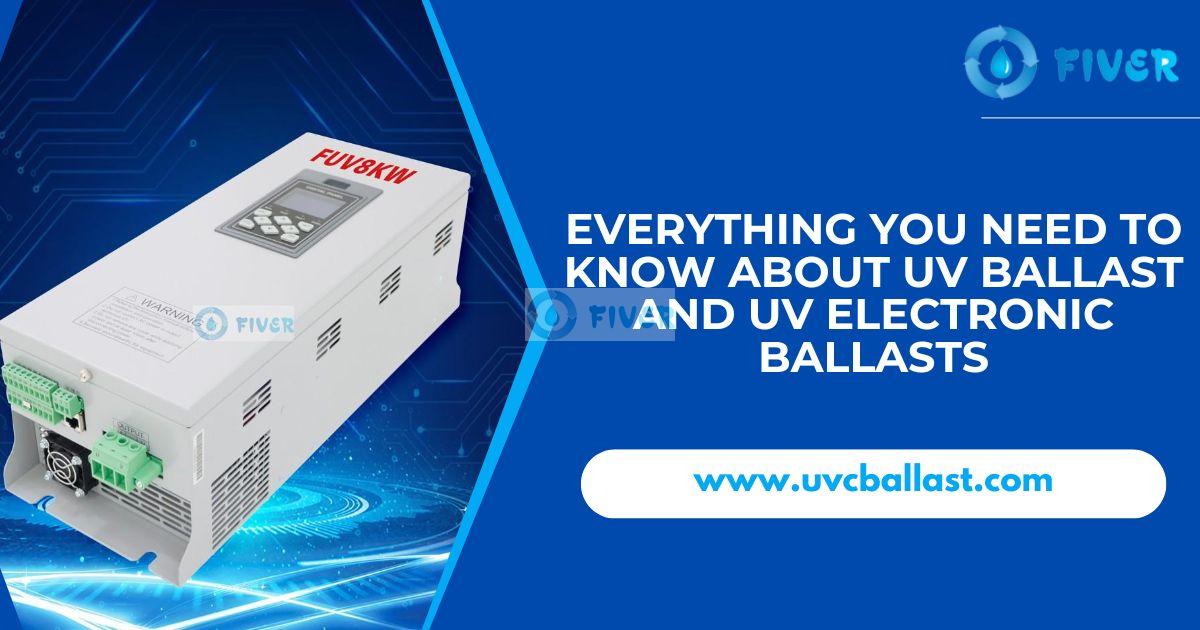
Ultraviolet (UV) technology has found its application in various fields such as water purification, air disinfection, medical sterilization, and industrial curing processes. The Uv Ballast is the defining part that not only guarantees the efficient functioning of these systems but also their safety. A ballast that is not properly designed would mean that the UV lamps cannot function steadily producing inconsistent ultrahigh, sun-like output.
This blog post is intended to decipher Uv Ballast's role, mechanisms, preferences for electronic ballasts, and tips for making the right pick of a solution for your UV system.
What Is a Uv Ballast?
A Uv Ballast is an electrical device that controls the starting and operating conditions of ultraviolet lamps. UV lamps require precise voltage and current levels, which cannot be supplied directly from a standard power source. The ballast ensures:
1. Proper ignition of the UV lamp
2. Stable current during operation
3. Protection against electrical fluctuations
4. Improved lamp efficiency and lifespan
Without a suitable ballast, UV lamps may flicker, produce inconsistent output, or fail prematurely.
Why Uv Ballasts Are Essential for UV Systems
UV lamps operate under strict electrical parameters. A reliable ballast ensures the lamp operates within safe limits and delivers consistent UV intensity.
Key reasons why Uv Ballasts are essential include:
1. Maintaining stable lamp performance
2. Preventing voltage and current fluctuations
3. Supporting consistent UV radiation output
4. Reducing the risk of lamp damage
5. Improving overall system safety
What Are Uv Electronic Ballasts?
Electronic ballasts for UV lamps come as the latest version of the old ballasts that make use of electronic circuits rather than magnetic components. They give the advantages of higher efficiency, better control and safety.
UV Electronic Ballasts product line opens up a wide range of options for selecting electronic ballast that provide quality, which in fact are the newest designs easily used for different UV lamp applications.
On the flip side of comparing, electronic ballasts are lightweight, small in size, and are the best match for contemporary UV systems to come.
How Uv Electronic Ballasts Work
Uv Electronic Ballasts operate through a controlled, multi-step process:
Converting standard AC input power into a controlled electrical output
Regulating current and voltage to match UV lamp requirements
Operating at high frequency to reduce flicker and heat generation
Monitoring lamp conditions in real time
Activating protection mechanisms during abnormal conditions
This intelligent operation ensures stable lamp performance and system reliability.
Benefits of Using Uv Electronic Ballasts
Switching to electronic ballasts offers multiple advantages:
1. The UV lamp performance and stability were enhanced.
2. The energy efficiency was higher and the power consumption was lower.
3. The UV lamp lifespan was prolonged.
4. The heat produced during the operation was lesser.
5. The overloads and short circuits protection was better.
These benefits make electronic ballasts the preferred choice for modern UV installations.
Key Features to Look For in a Uv Electronic Ballast
When selecting a Uv Electronic Ballast, consider the following features:
1. Stable and regulated electric output
2. Lamp wattage and type compatibility
3. Capability of high frequency operation
4. Safety protections built-in
5. Support for monitoring and diagnostics
Choosing the right features ensures long-term system performance and reliability.
Common Applications of Uv Ballasts
Uv Ballasts are used across many industries, including:
1. Water treatment and purification systems
2. Air disinfection and HVAC sterilization
3. Industrial UV curing processes
4. Healthcare and medical sterilization
5. Laboratory and research facilities
Poor quality ballasts get disguised by their ballasts' quality under the stresses of self-regulating UV sensor output.
Why Choose High-Quality Uv Electronic Ballasts
Investing in a high-quality Uv Electronic Ballast delivers long-term benefits:
1. Reduced maintenance and replacement costs
2. Improved system efficiency
3. Enhanced operational safety
4. Consistent UV performance
5. Lower total cost of ownership
The UV Electronic Ballasts product range offers reliable and efficient solutions for demanding UV applications.
Frequently Asked Questions (FAQs)
1. What is a Uv Ballast?
A Uv Ballast is a device that regulates voltage and current to ensure proper operation of UV lamps.
2. Why are electronic ballasts better than magnetic ballasts?
Electronic ballasts provide higher efficiency, better power regulation, and longer lamp life.
3. Can one ballast work for all UV lamps?
No. Ballasts must match the lamp’s electrical and operational requirements.
4. How does a ballast improve UV system safety?
It includes protection features that prevent electrical faults and overheating.
5. Do electronic ballasts reduce energy consumption?
Yes. They operate more efficiently and minimize power loss compared to traditional ballasts.
Post time:2025-12-20
